Ductwork for Central Valley Heat
Central Valley ductwork mostly runs through attics that can reach 130°F or more, so leaks and thin insulation cost real cooling; sealing, R-8 insulation and a tested system are the usual fixes.
Valley Home Ducts, figures checked against their sources · updated
Attic heat
Why ducts in a 130°F attic lose so much cooling, the signs of a leaky system, Valley climate zones, and getting ducts indoors.
Walk row A: attic heat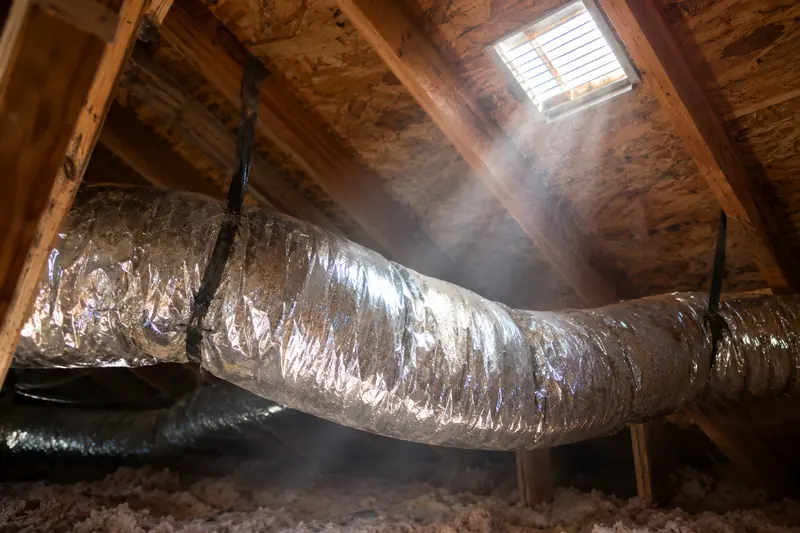
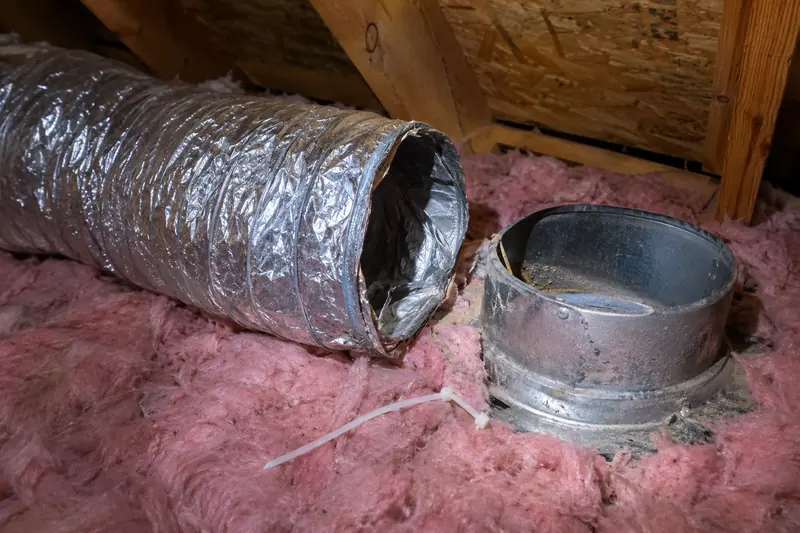

Testing and Title 24
When a new A/C or furnace triggers a duct test in California, what the 10% and 7% limits mean, and the rater visit.
Walk row B: testing and title 24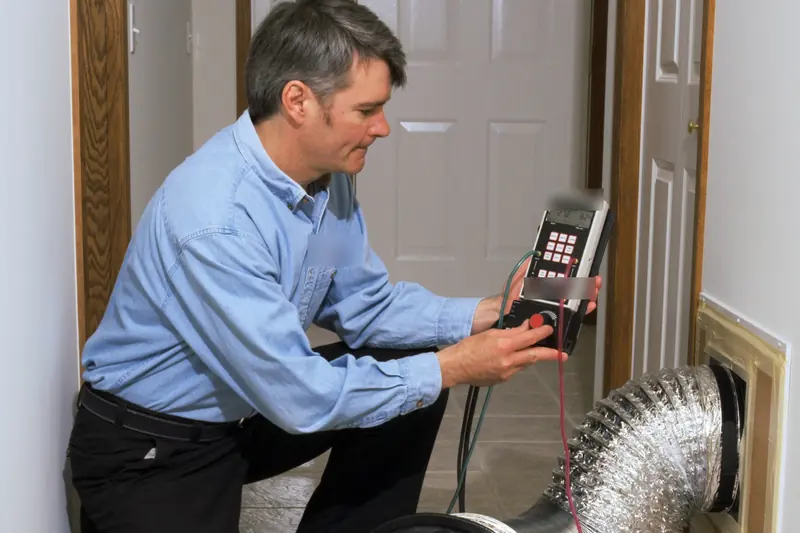
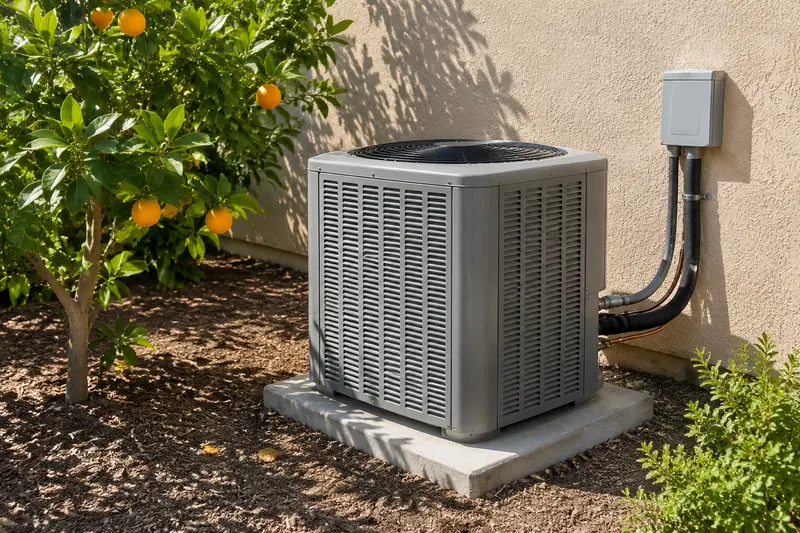
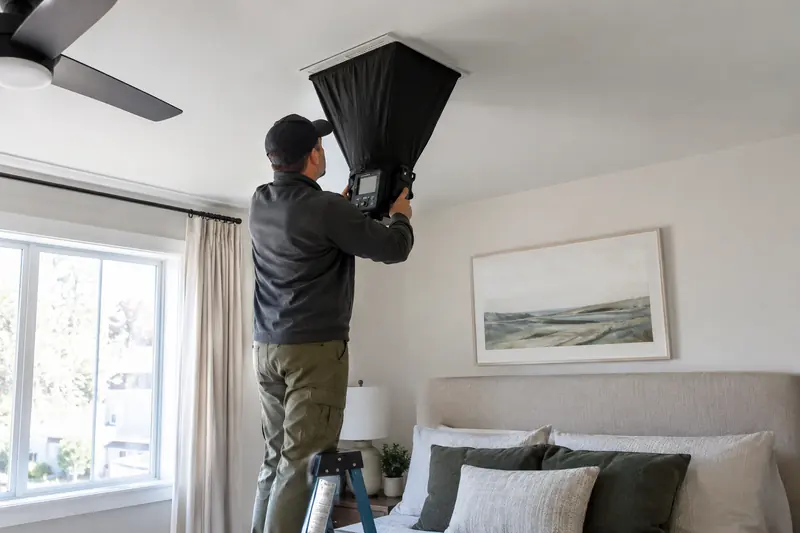
Sealing and insulation
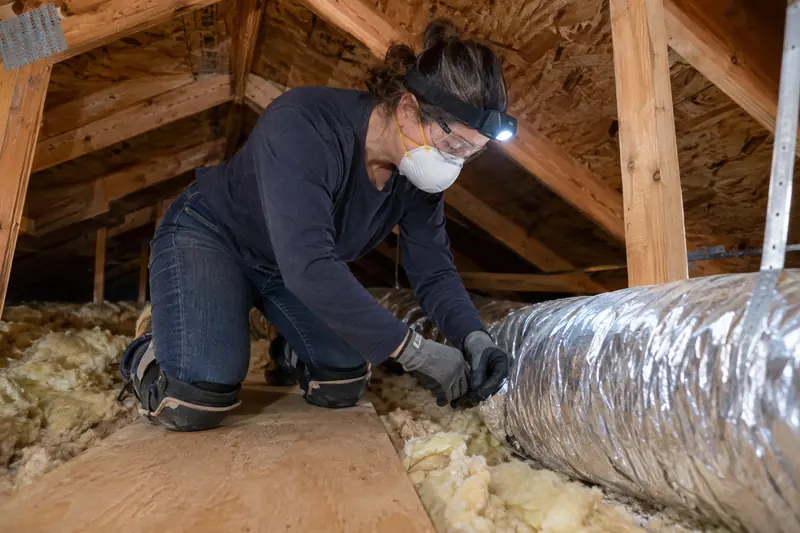
Mastic, foil tape and aerosol sealing compared, R-8 duct insulation, and the safe way to work in a hot attic.
Walk row C: sealing and insulation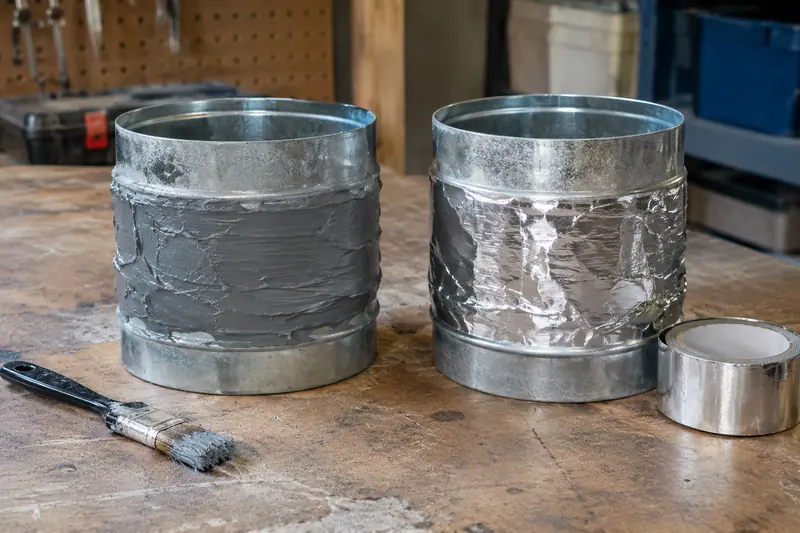
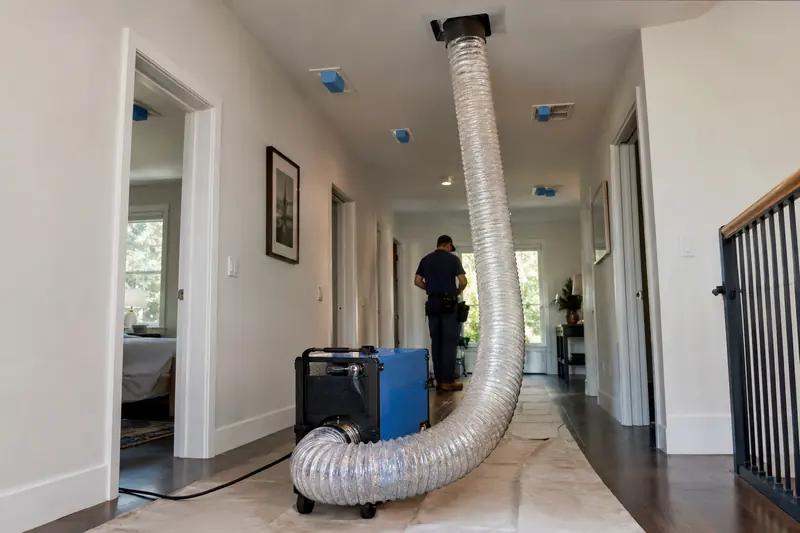
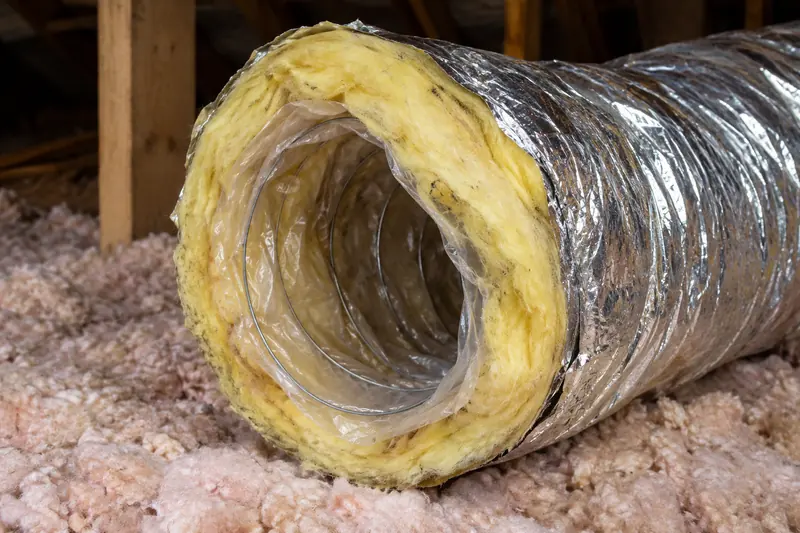
Duct design
Manual D sizing, return air, flex against sheet metal, registers and balancing, and when the ducts should go.
Walk row D: duct design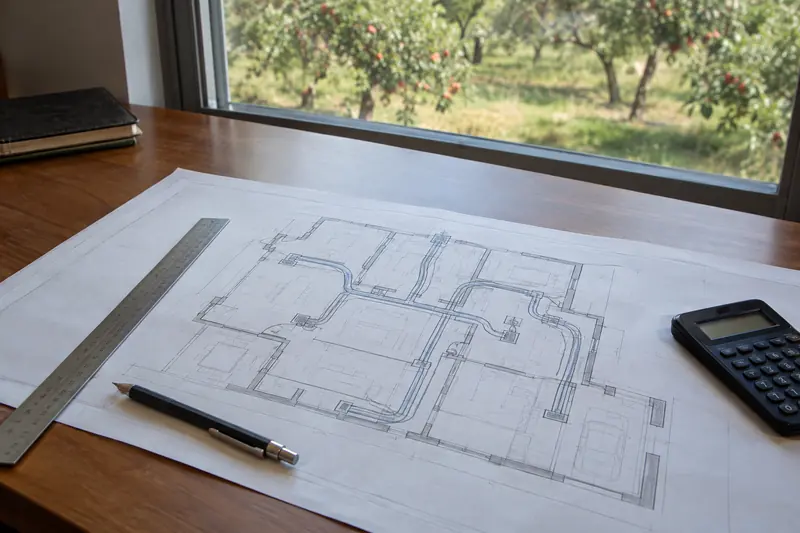
Air in the ducts
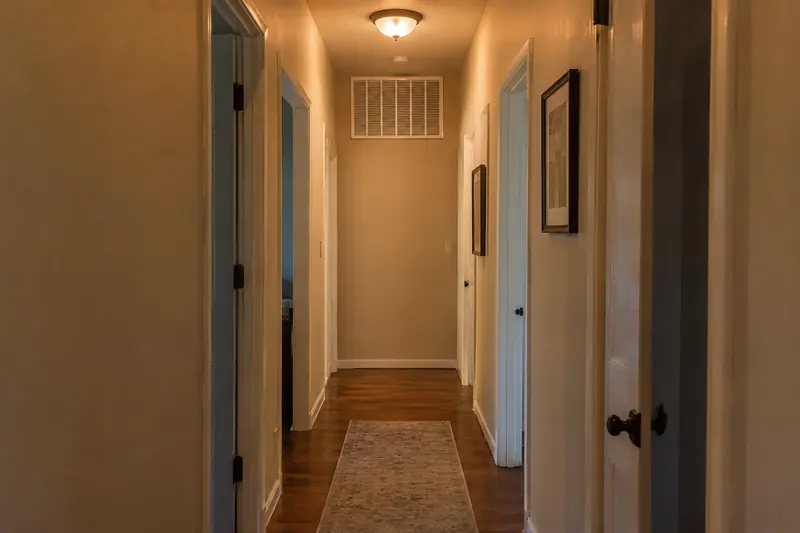
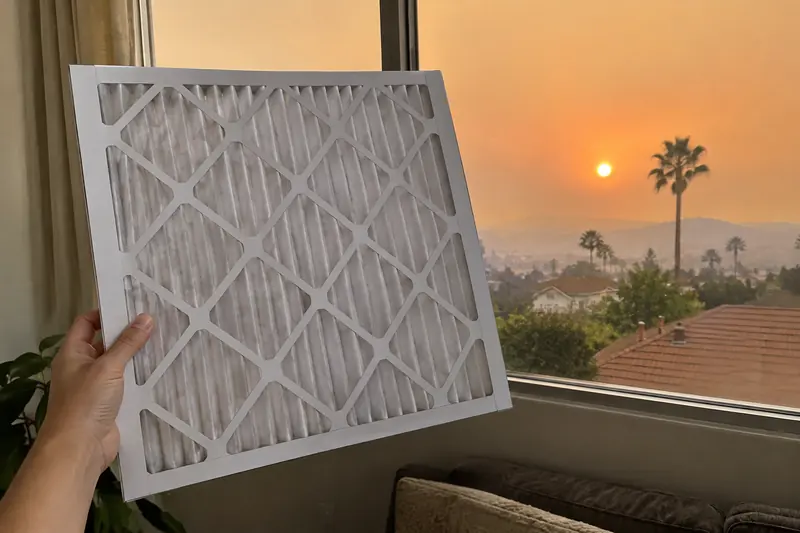
What EPA says about duct cleaning, MERV 13 filters for wildfire smoke, and running the system on smoke days.
Walk row E: air in the ducts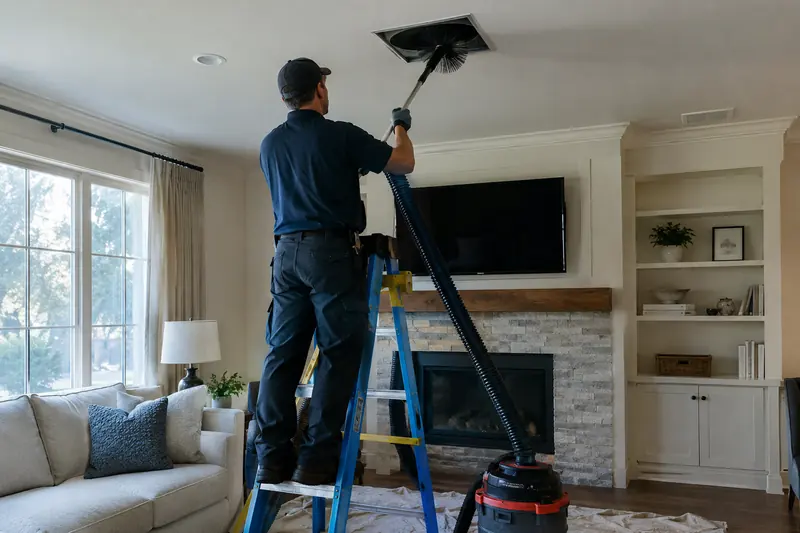
Options and hiring
Ductless and evaporative alternatives, what money help is left in 2026, and the questions to put to a contractor.
Walk row F: options and hiring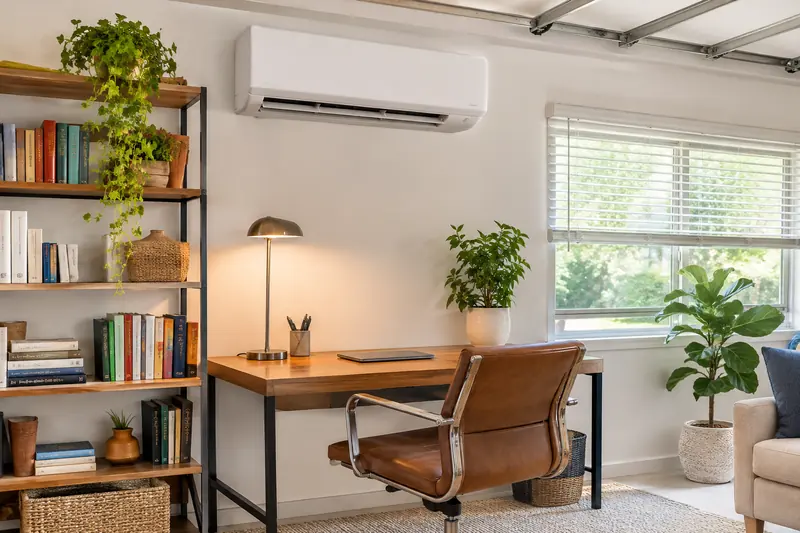

What to carry away
- About 20 to 30 percent of the air moving through a typical duct system is lost to leaks, holes and poor installation, according to ENERGY STAR.
- A DOE Building America guideline puts summer attic temperatures as high as 130–140°F, while the air inside a cooling duct leaves the coil at about 50–55°F.
- Fresno's Yosemite International Airport averages 38.4 days a year at or above 100°F; Stockton's Metro Airport averages 18.9 (NOAA 1991–2020 normals).
- Replacing an air handler, condenser or coil in California means the connected ducts must test at 10% or less total leakage or 7% or less to outside under Title 24.
- Stockton, Modesto and Sacramento sit in building climate zone 12 and Fresno in zone 13, where new attic ducts need R-8 insulation.
- EPA says duct cleaning "has never been shown to actually prevent health problems"; filters and sealing are where the evidence sits.
Valley Home Ducts is a plain reference on the ducts in Valley houses: the metal and flex tubes that carry cooled air from the indoor unit to each room and pull it back again. Most sit in a vented attic over a one-story ranch house, a rough place for cold air to travel. The six rows of this site follow the order most homeowners run into the problem: heat, the state's test, sealing, design, air quality, and the options when ducts are not the answer.
Valley duct numbers
- 20–30%share of air lost in a typical duct systemENERGY STAR
- 130–140°Fattic temperature on hot summer daysDOE Building America
- 38.4 daysyearly average at or above 100°F, Fresno airportNOAA NCEI normals
- 10% / 7%Title 24 leakage limits after an equipment changeoutEnergy Code Ace, 2025 Title 24
- R-8minimum wrap on new Valley attic ductsEnergy Code Ace, 2025 Title 24
Why do attic ducts matter so much in the Valley?
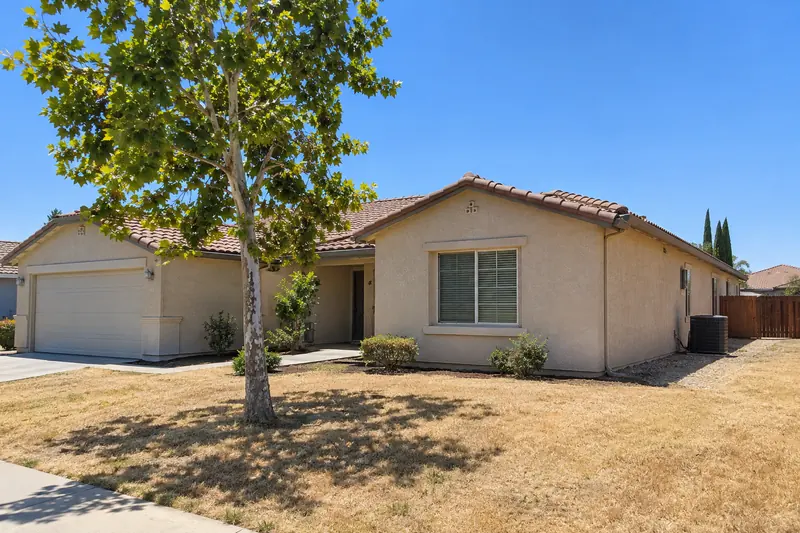
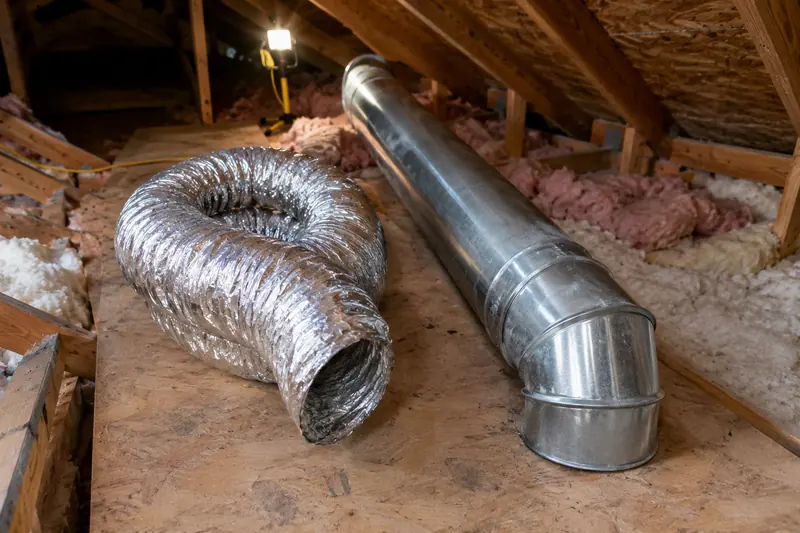
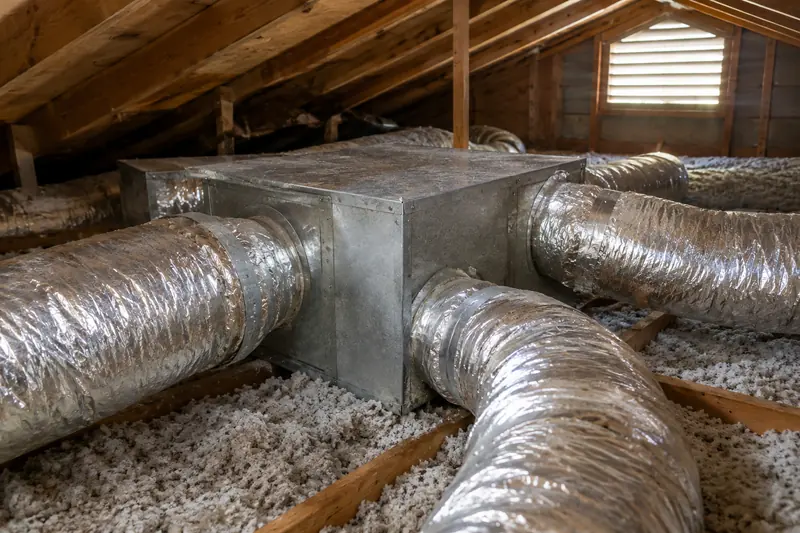
Attic ducts matter because Valley summers push the attic far hotter than the outdoor air, and every foot of duct up there is a chance for cooling to leak or soak away. The DOE Building America measure guideline says that on hot summer days attic temperatures can easily reach 130°F or 140°F, and warns that return leaks can draw in 130°F attic air straight into the system.
July normal highs run from 94.4°F in downtown Sacramento to 97.7°F at the Fresno airport, according to NOAA's 1991–2020 normals. The Attic heat row covers how hot attics get, the signs of leaky ducts and whether ducts can come indoors, starting with why attic ducts lose so much cooling.
| City | Climate zone | July normal high | Days at or above 100°F per year | Station |
|---|---|---|---|---|
| Stockton | 12 | 95.4°F | 18.9 | Stockton Metro Airport |
| Modesto | 12 | 95.0°F | 17.9 | Modesto City-County Airport |
| Sacramento | 12 | 94.4°F | 22.6 | Sacramento 5 ESE (downtown) |
| Fresno | 13 | 97.7°F | 38.4 | Fresno Yosemite International Airport |
The climate zones come from point lookups at each city center on the state energy agency's (CEC) building climate zone map; an address near a zone line can differ, so confirm yours before a project.
What does California require when you replace a system?
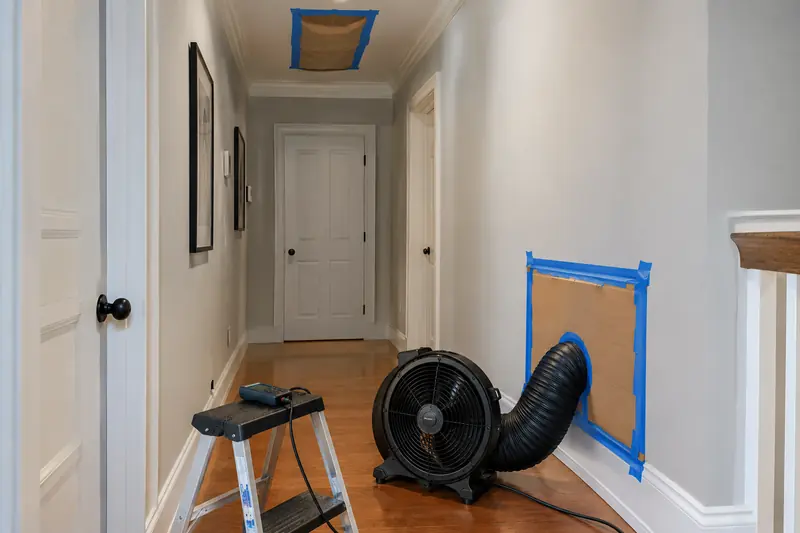
When you install or replace an air handler, outdoor condensing unit or coil, Title 24 requires the connected ducts to be sealed and verified by testing. The 2025 Energy Code text allows 10% or less total leakage or 7% or less leakage to outside, measured against the system air handler airflow. If neither can be met, all accessible leaks must be sealed and checked by visual inspection and a smoke test.
Three kinds of systems are exempt: ducts already documented as sealed by verified testing, systems with less than 40 linear feet of duct, and ducts built, insulated or sealed with asbestos. The test is done by a state-certified ECC-Rater, the title that replaced HERS Rater for 2026 permits, and pulling a permit is the standard route for a changeout. The Testing and Title 24 row walks through the limits, the rater visit and what happens when ducts fail.
Which fixes pay off first?
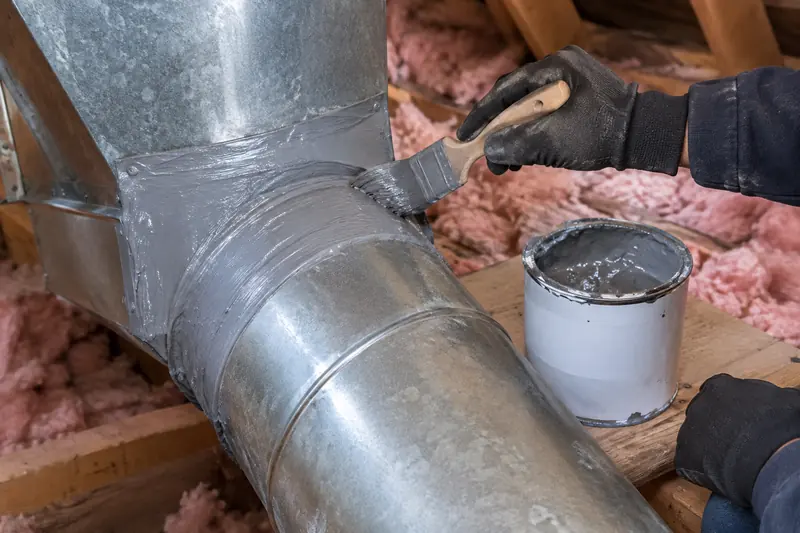
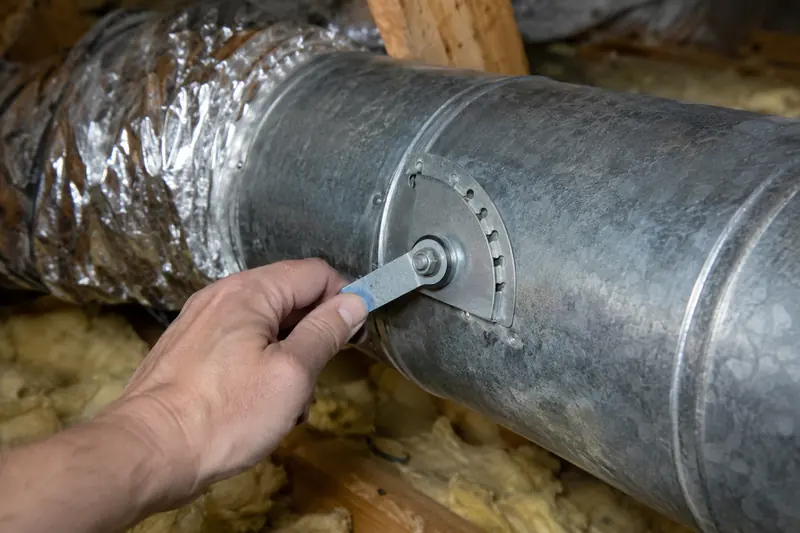
Sealing the leaks you can reach, then insulating, usually comes first. ENERGY STAR tells homeowners to "focus first on sealing ducts that run through the attic, crawlspace, unheated basement, or garage", and its duct page says to use mastic sealant or metal tape and never cloth duct tape.
For insulation, Title 24 asks for R-8 wrap on any new duct outside the conditioned envelope in zones 12 and 13, and that takes in all four cities in the table. The Sealing and insulation row compares mastic, foil tape and aerosol sealing, and covers how to work in a hot attic without getting hurt. Any sealing job near a gas furnace or water heater should include a combustion safety test before and after, because tighter ducts can change how those appliances vent. If you're unsure, call a licensed technician.
How should ducts be sized and balanced?
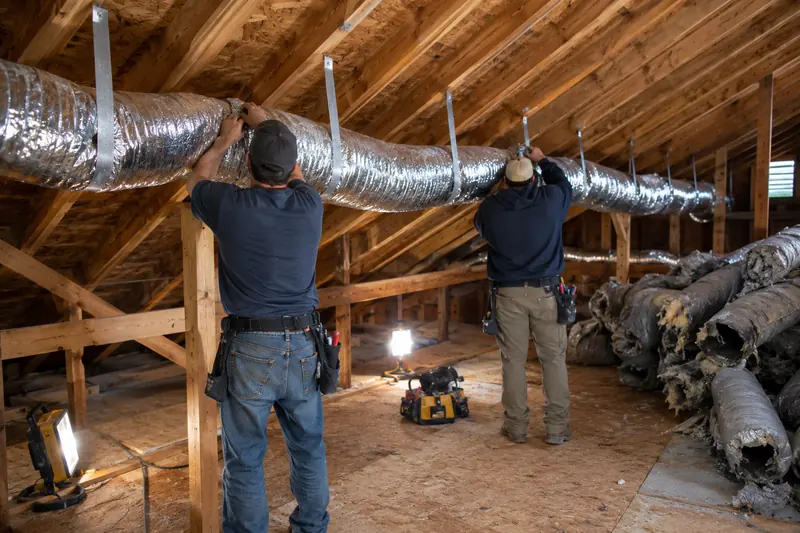
Ducts should be sized from a room-by-room load calculation and a duct design, not by matching the old system. The Air Conditioning Contractors of America describes Manual J as giving the loads, Manual S as choosing equipment and Manual D as its ANSI-approved standard for duct design. Dry climates like the Valley often run roughly 400–450 CFM per ton of cooling, though the manufacturer's spec governs.
Closing registers in unused rooms raised energy use in a typical California house in LBNL modeling, so it is not a cheap fix for a hot back bedroom. The Duct design row covers sizing, return air, flex versus sheet metal, and registers.
What about dirty ducts and smoke?
Dirty ducts are mostly a nuisance, while wildfire smoke is a real indoor-air problem that the duct system can help with. EPA says duct cleaning has never been shown to prevent health problems, and it lists the cases where cleaning makes sense: substantial visible mold in hard ducts, vermin, or ducts clogged with debris.
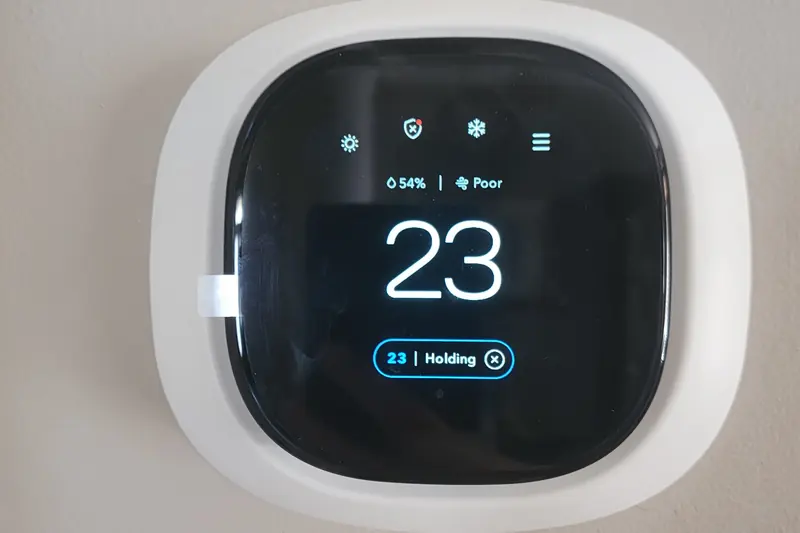
For smoke days, the California Air Resources Board's Smoke Ready guidance calls for a MERV 13 filter or higher, the fan set to "on" rather than "auto", and any fresh-air intake closed so the system recirculates. CARB strongly advises against ozone generators. The Air in the ducts row covers cleaning claims, filter ratings and smoke-season settings.
When are ducts the wrong answer?
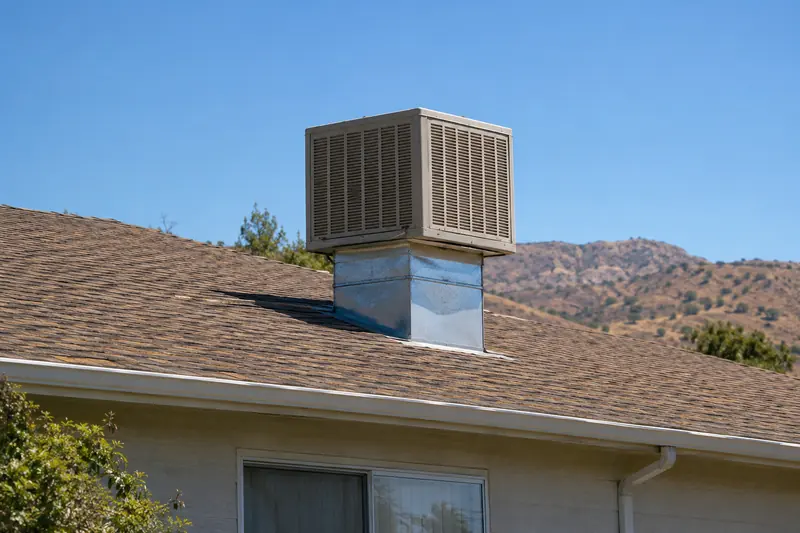
Ducts are the wrong answer when the run to a room is long, crushed or impossible to reach, or when the space was never part of the system, like a converted garage. ENERGY STAR's mini-split factsheet notes that losses from ductwork can account for more than 30% of a home's space-conditioning energy use, and that a ductless head needs only a 3-inch hole in an outside wall for its lines. Evaporative coolers are another Valley option in dry heat, with their own duct and water needs.
Money is tighter than it was. The IRS says the federal 25C and 25D credits do not apply to property placed in service after December 31, 2025, and TECH Clean California's single-family heat pump incentives have been fully reserved since November 14, 2025. The Options and hiring row covers ductless systems, coolers, rebates and hiring.
How this page was put together
This page draws on the 2025 California Energy Code as reproduced by Energy Code Ace (with the 2022 code for older permits), the state Building Standards bulletin on the 2026 effective date (BSC 25-01), NOAA NCEI 1991–2020 climate normals, the CEC building climate zone map layer, ENERGY STAR, the DOE Building America duct measure guideline (2011), LBNL, EPA, CARB, ACCA and the IRS, all read in October 2026. Climate zones are point lookups at city centers. Left out: prices, savings promises and brand names. The CEC website (energy.ca.gov) could not be reached in October 2026, so no text from it is quoted.
Questions from the field
Is Valley Home Ducts an HVAC contractor?
No. Valley Home Ducts is a reference site; it does not install, repair, seal or test anything. Where a job needs a license, the pages say so and explain what to ask the contractor.
Which Title 24 code applies to my changeout?
It depends on the permit date. Applications submitted on or after January 1, 2026 fall under the 2025 Energy Code, and earlier applications stay under the 2022 code, according to a 2025 bulletin from the state's building standards agency. The duct sealing limits are substantively the same in both.
What R-value should Valley attic ducts have?
Valley houses fall in zones 12 and 13, where Title 24 wants R-8 on any new attic, crawlspace or garage duct. ENERGY STAR's general advice is R-6 or higher, but the state code is stricter for the Valley, so R-6 is not enough on a new duct here.
Do Valley ducts matter in winter too?
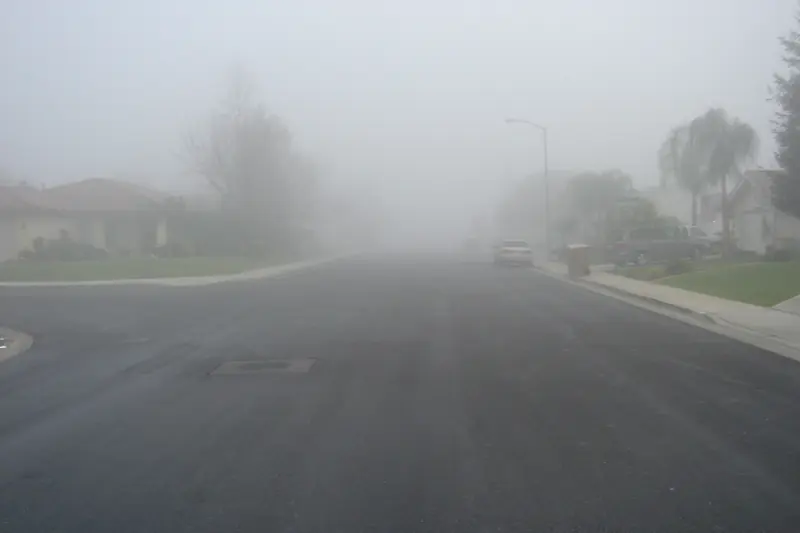
It marks the heating season. The National Weather Service office in Hanford puts the typical fog season from late November through mid-February, when January normal lows sit around 39–41°F at Valley stations and the same attic ducts carry warm air instead of cool.
Can I tell if my ducts contain asbestos?
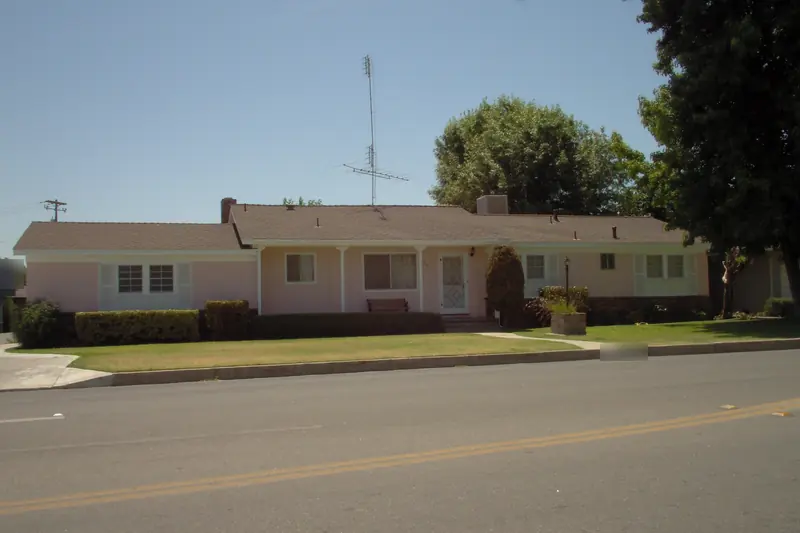
Not by looking. EPA guidance flags houses from roughly the 1930s through the 1970s as the likeliest to hold asbestos, including duct wrap and cement (transite) ducts; leave suspect material alone and have an accredited asbestos professional sample it.
What should I do if a CO alarm sounds after duct work?
Leave the building first. Don't use switches or phones inside; call 911 or the gas utility from outside, and have a qualified pro run a combustion safety test before the system runs again.

Start with a row